Curse of Product Placement: Pre-release.
“movies”
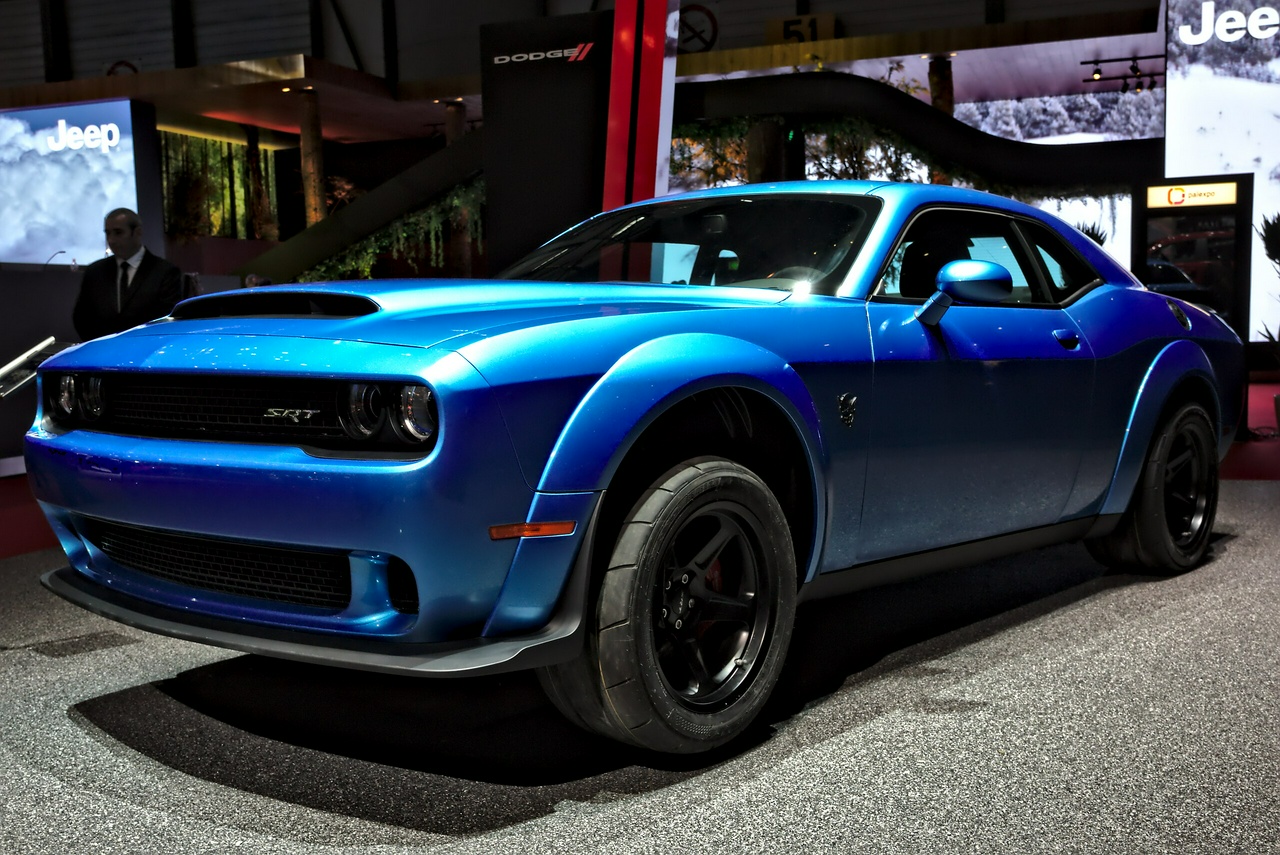
Watching “Tomorrow and Tomorrow and Tomorrow” (S2 E3 of Star Trek:Strange New Worlds) and there’s a little car-chase using a Dodge Challenger that I’m betting was a pre-production prototype by the really limited use it got on-screen. Sure, could also be Toronto wouldn’t clear the production for a full Hoonigan-style car scene.
Follow me with the prototype thing first, since it IS a full-on Stellantis (owners of Dodge) car. Here’s the curse: the production gets a “free” car with all kinds of limitations. Almost certainly they got a hero-car who’s exterior and paint were what the company wanted on-screen. But it may not have a real interior, or even a real engine. Then the company will also provide a hero-interior. But those two heroes might not come together…they might be wildly separate. For sure, the hero-roller is going to be SUPER fragile. Or SUPER valuable, like, “DON’T SCRATCH IT because we literally have no more paint of this color.” And the interior may be realy funky, like 3D printed parts to adapt an available interior to the new features. So another one, “DO NOT TOUCH THE SWITCHES because they don’t work.”
Now every production has precisely the same problems with cars. There’s one that looks great, one that runs great, and ….the others. Sacrificial goats that only look good from one side so it’ll be suitible for that “driving off the cliff” scene. But they get to make them, they get to stock spares, and touch-up paint, etc. And they control the money, they know what it costs to goof one up.
But “accepting” the “gift” comes with huge strings. I’ve already mentioned the potentially exotic paint. That comes under the heading “donor gets editorial control over the appearance of their donation.” That control can creep pretty widely, a real pain. But there’s other uglies: the donor may insist on secrecy and security that can impose huge costs. EG: remember when I mentioned how lightly used it was? Maybe that low-speed fakery was forced by the requirement of an absolutely airtight closed set to protect the donor’s release-schedule. Toronto could’ve imposed some really serious constraints when they insisted on that. Or maybe the hero-roller had the wrong engine, and they kept it all slow so the sound folks could replace every wimpy wound it made with the donor-approved (and perhaps supplied) throaty-roar.
It all makes for a layer-of-remove or an area out of the production’s control that can cause costs to spiral upward really fast. Maybe that’s the reason for the limited chase use, keep it simple and save the money.
Oh, the episode’s fun, it has a nifty little twist on the time-travel trope, not really doing the whole multiverse thing correctly, but what the hey. I find that it pays not to pay too close attention to the best Star Trek tv shows.